
Amazon has introduced a new Fire TV Stick 4K, running its Vega operating system and promising faster access to programming than the built-in interfaces of leading smart televisions. This suggests that even as almost every television sold today is smart, there may still be a role for relatively inexpensive plug-in products that can upgrade the viewing experience.
The new Fire TV Stick 4K has a 1.7 GHz quad-core processor, supports Wi-Fi 6, 4K Ultra HD, Dolby Vision and Dolby Atmos, and runs Vega OS, the Linux-based operating system that Amazon is introducing across its Fire TV products.
Amazon says the device starts up to 20% faster than the previous Fire TV Stick 4K and launches applications up to 35% faster. The company says playback begins nearly 20% faster than on a similarly priced competing streaming stick. Amazon also compared the device with three top-selling 4K smart televisions and says the Fire TV Stick 4K started playing programming faster than all three.
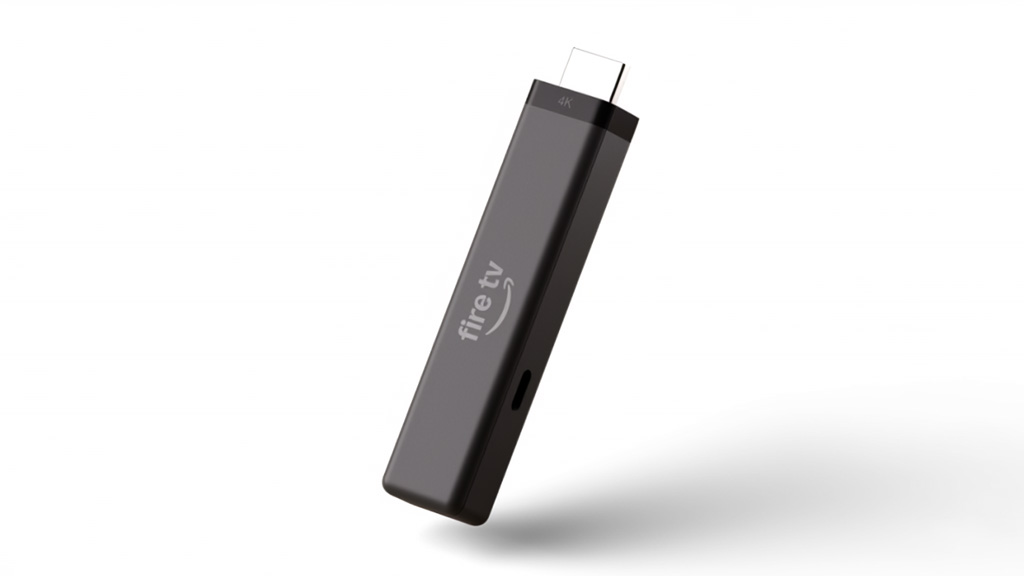
The device can be powered directly from a USB port on a compatible television, avoiding the need for a separate power adapter. Amazon previously introduced its Direct Power feature on the Fire TV Stick HD but has now extended it to the 4K model. A supplied USB-C cable connects the stick to a USB-A port on the television.
Amazon has also redesigned the Fire TV remote control. Rather than being symmetrical, it has a flat top and a curved, weighted bottom, intended to make it immediately apparent which way up it is when picked up.
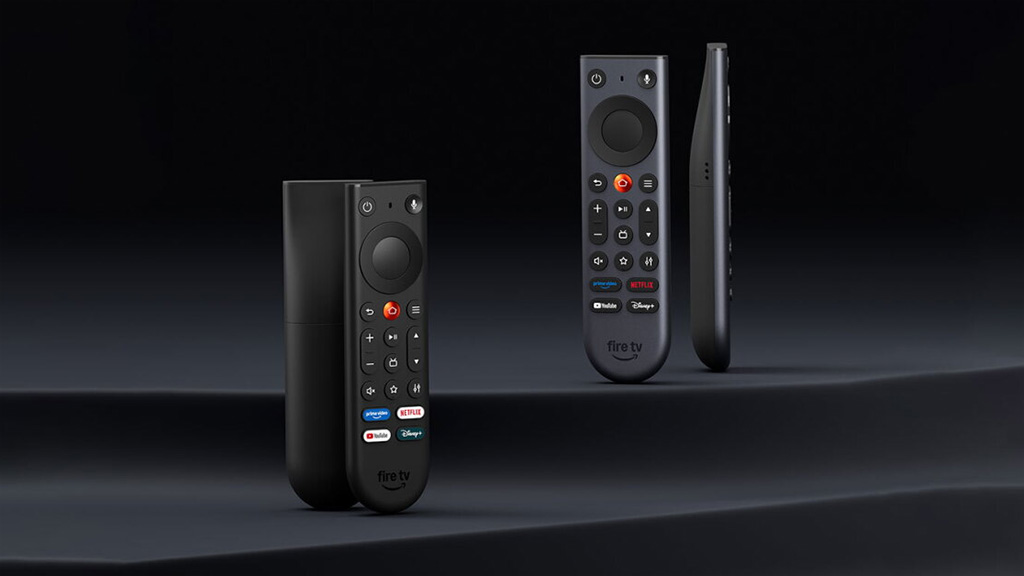
The buttons use different shapes, contours and textures to make them easier to identify by touch. The Home button has a distinctive metallic finish, while a programmable star button can provide a shortcut to a favourite application or accessibility function. The new remote is also available separately and is compatible with Fire TV streaming devices released since 2019.
The emphasis on speed is significant because Amazon is not simply comparing its latest product with previous streaming sticks. By benchmarking it against smart televisions, the company is implicitly making a case for replacing the software experience built into the television.
Television displays can remain perfectly serviceable for many years. The computing platform may not age so well. Applications become more demanding, operating systems develop and processors that appeared adequate when the television was purchased can increasingly make the interface feel slow.
That creates an inherent tension in the smart television model. Integrating everything into the television provides an elegant experience when it is new, but it also ties a rapidly evolving software platform to a comparatively long-lived piece of consumer electronics.
A streaming stick separates the two. For a relatively modest cost, viewers can replace the processor, operating system, applications and user interface without replacing the display. Direct USB power makes that upgrade increasingly unobtrusive, while the redesigned remote replaces the principal physical interface as well.
That has implications for television manufacturers. Companies have increasingly regarded their smart television operating systems as strategic platforms through which they can control discovery, distribute applications, sell advertising and maintain a continuing relationship with viewers.
If a consumer connects a Fire TV Stick and spends most of their viewing time within Amazon’s interface, much of that relationship moves from the television manufacturer to Amazon. The television increasingly becomes a display for somebody else’s platform.
As plug-in products become faster, cheaper and easier to upgrade, they may continue to provide a cost-effective way to keep an otherwise perfectly good television current.
The question for television manufacturers is how long they can keep the smart part of a smart television smart.