
Support for Microsoft Copilot is ending on Samsung and LG smart televisions. It is not long since the introduction of the AI assistant on them resulted in some customer complaints that it could not be removed. Some users have using artificial intelligence coding tools to remove unwanted apps and promotions from their home screens.
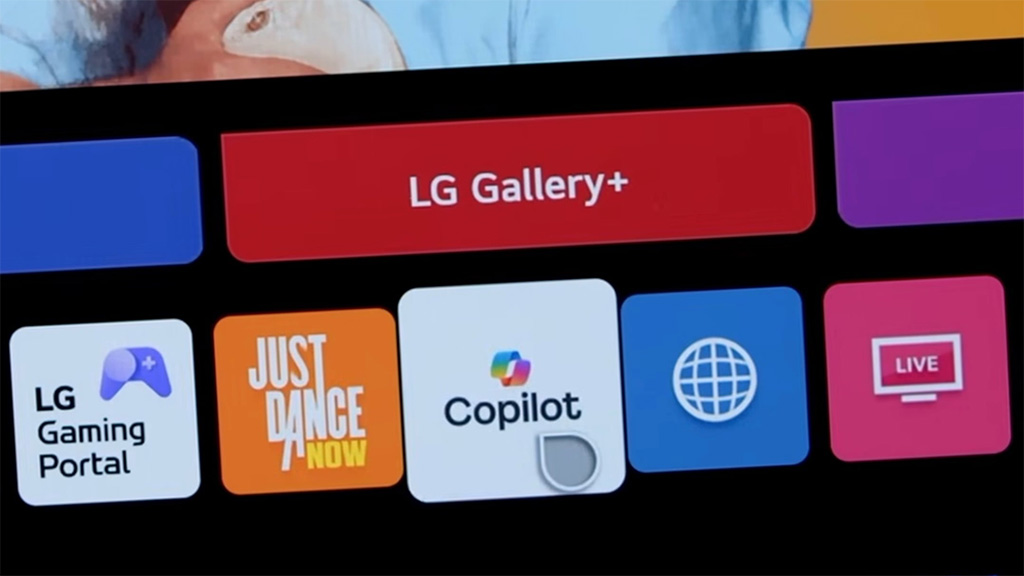
A notice has appeared on some LG televisions advising of the termination of the Microsoft Copilot service.
“We would like to inform you that Microsoft has recently decided to end support for Copilot functionality on all TVs, including the Copilot-enabled feature available on our LG TVs,” the notification says. “As a result, the Copilot-enabled feature on your TV is no longer available and may stop functioning shortly.”
Microsoft has confirmed that Copilot is being retired from televisions and will no longer be available on Samsung and LG televisions from 1 December 2026. It will remain available on web, desktop, and mobile platforms.
It is part of a wider update of the Copilot service, which Microsoft ways will create a simpler, more cohesive experience across personal, work, and school accounts.
Microsoft Copilot was built into 2025 televisions and smart monitors from Samsung. It was described as a smart companion that is ready whenever you need it, able to answer questions about what you are watching, provide personal recommendations, check quick facts, or explore new topics in an easy, conversational way.
LG also announced integration with Copilot on 2025 models and rolled it out through an update to its webOS platform less than a year ago which added shortcuts to home screens.
Ironically, some users are now turning to artificial intelligence coding tools to uninstall uninvited apps and promotions that are proliferating on television home screens. They are posting pictures online of screens that they say they have cleaned up to remove unwanted applications.
Although this is relatively easy on some smart television platforms, it seems that those from Samsung and LG are harder to manage in this way.
Some consumers are increasingly concerned that smart televisions are monitoring their viewing and monetising their attention to television and video services.
While artificial intelligence and conversational interfaces can offer benefits to users through search and recommendation services, the privacy policies of smart television platforms can be opaque to consumers, leaving concern about what data about their viewing behaviour and preferences they are sharing with third parties.