
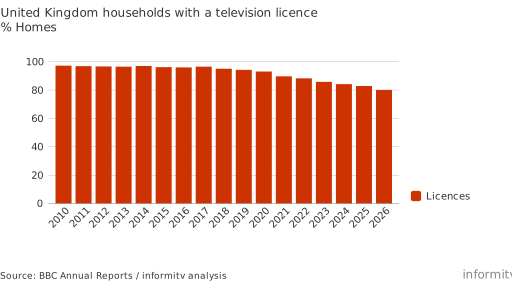
The number of television licences in force in the United Kingdom fell by over half a million in the year to April 2026, to a total of 23.25 million, which only 22.03 million were paid for in full, with the remainder subject to concessions or funded by the BBC. Fewer than 80% of homes in the country now pay for a television licence. That is down from 90% in five years. Ten years ago it was over 95%, down from 97% in 2010.
More and more households are simply opting out. Now it is as many as one in five homes. As the percentage falls it is becoming more normal for people not to pay for the BBC.
3.7 million households now declare that they do not need a television licence.
Bizarrely, there are still over 3,000 monochrome television licences issued.
Due to an arrangement made several years ago, the BBC picks up the bill for over a million television licences for households with anyone aged over 75 who receive pension credit, worth a total of almost £180 million.
During its coverage of the football World Cup, the BBC has been promoting a QR code to buy a TV licence and persuading commentators to tell people to do so. It has been described as a sign of desperation. It also seems rather offensive to the majority that already have one.
BBC licence fee income was up slightly last year, by £36 million from £3.84 billion to £3.88 billion, largely through an inflation linked increase in the cost of a television licence to £174.50. The annual cost of collecting the television licence has risen from £166 million to £190 million.
Now the corporation is borrowing from an approach from 40 years ago. In 1986 it ran a campaign fronted by the comedian John Cleese asking: ‘What has the BBC ever given us?’
The BBC has rebooted this with a promotion fronted by presented Romesh Ranganathan.
Curiously, he is shown throughout with a television camera of 1986 vintage. Those of a certain age and interest might recognise it as a Link 130. It was from an era of analogue tube television cameras, before they were replaced by devices with chips.
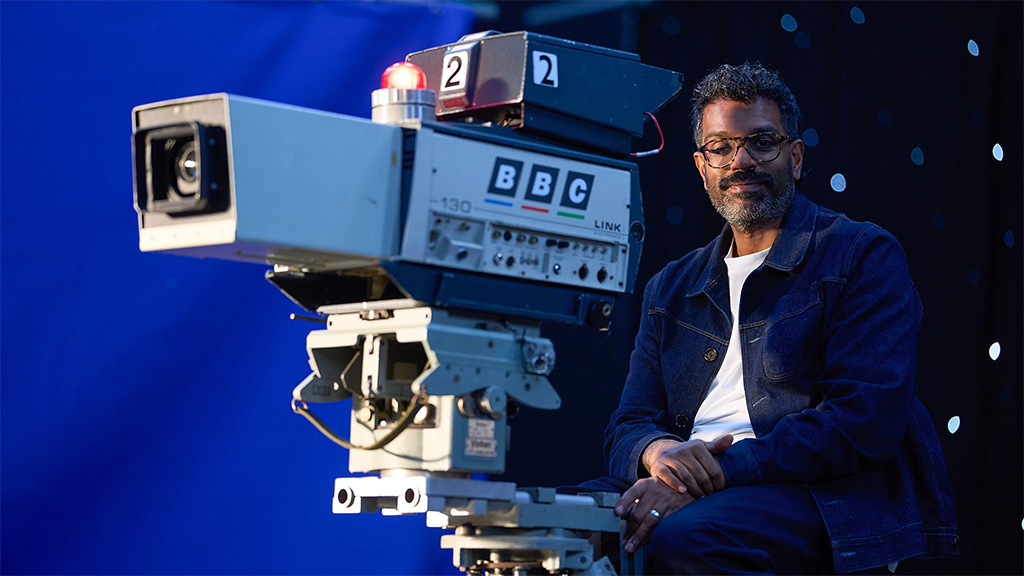
These days you can get a better picture from your mobile phone.
Therein lies the challenge for the BBC. They are appealing with rhetoric from the 1980s to an audience that may have grown old with them, while subsequent generations no longer have the same relationship with television.
Kerris Bright is the Chief Customer Officer of the BBC. The job title is interesting in itself, given that television licence fee payers are not really customers as they are obliged by law to pay for it to receive any live television. They are deciding not to in increasing numbers.
“With this campaign then, we want to ensure the BBC gets credit for the fundamental impact it has on society, as well as the things it makes,” she writes.
She points out that in 1986 the BBC had two national television stations, whereas today it has eight. There were four national radio stations, but now there are ten.
Perhaps that is part of the problem the BBC faces in funding its expanding activities.
In the introduction to the BBC Annual Report, the recently appointed director general notes: “Reinventing the BBC to fulfil its mission for audiences in a complex, fast-moving world is our duty and our challenge. We need to rise to meet the moment by bringing together enduring public service values with creative and editorial excellence, innovation and courage. We need a BBC that is simpler, faster and more connected with audiences than ever.”