
The CES 2026 consumer electronics show in Las Vegas once again showcased ever bigger and brighter television screens that are also becoming even smarter. The aim is clearly to make the living room screen the heart of home entertainment, extending the definition of television itself.
A major trend at CES 2026 was a push towards Micro RGB backlight technology. Unlike traditional backlights that use white or blue LEDs plus colour filters, Micro RGB sets incorporate red, green, and blue mini-LEDs to widen the colour gamut and boost brightness. Samsung, LG, TCL, and Hisense all announced new televisions using the technology, with models starting at 55 inches, significantly lowering the entry point for this approach.
Hisense went further, showing a prototype 163-inch wall-sized display that adds cyan as a fourth LED colour to expand colour accuracy.
TCL is taking a different route, using super quantum dots with a conventional LED backlight. It demonstrated an 85-inch display capable of peak brightness of up to 10,000 nits, with more than 20,000 local dimming zones, also delivering improved black levels.
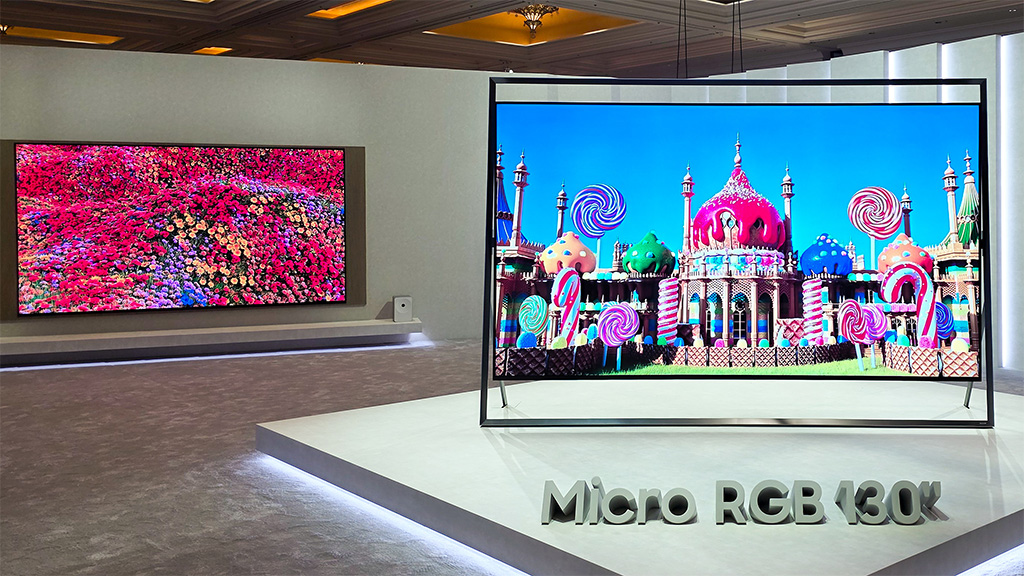
The definition of a big television screen continues to expand, with concept displays now reaching 130 inches diagonally. The Samsung example on the show floor was a prototype, but its high-end series based on the same technology will launch in consumer sizes from 55 inches up to 115 inches.
The trend for disguising large screens as picture frames continues. Samsung’s Frame TV range is now being joined by the LG Gallery TV, with both platforms offering access to thousands of licensed artworks to display when the television is not in active use.
Amazon used CES to introduce its first own-brand televisions. The Amazon Ember Artline range comes with a choice of ten interchangeable frame bezels in different colours and is positioned both as a television and as an ambient display for artwork and photo slideshows. The move illustrates Amazon’s growing ambition to expand from Fire TV streaming devices into full television hardware that competes directly with established manufacturers.
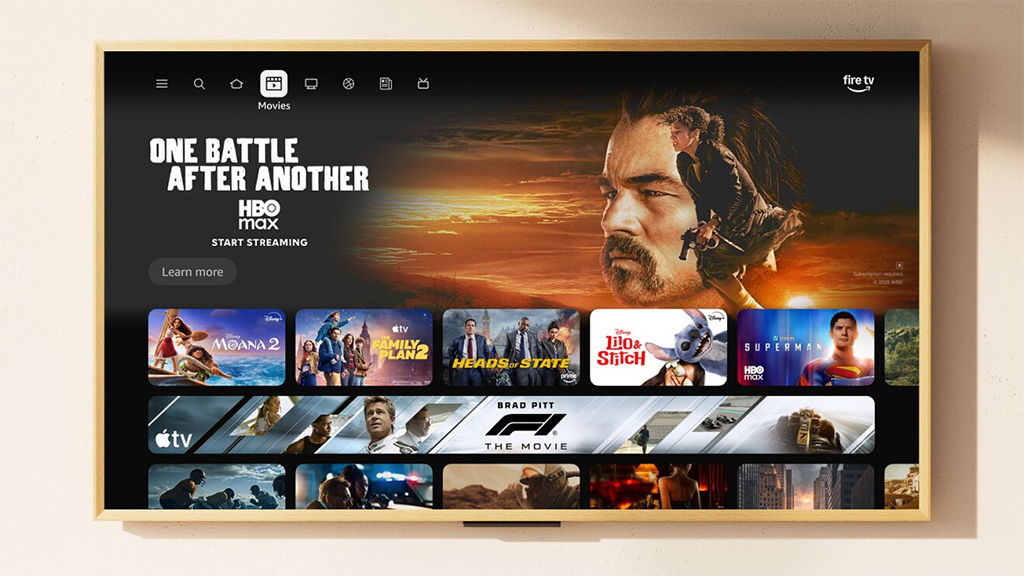
Amazon also announced the first major redesign of the Fire TV interface in five years. It includes integration of Alexa+, a more conversational artificial intelligence assistant, supporting natural-language control and smarter content recommendations.
Not to be outdone, Google previewed an upgrade to Google TV powered by its Gemini AI platform. Google is effectively adding a chat-style interface that can provide answers, summaries, and recommendations in a conversational way. It can even control television settings with voice commands such as “make it brighter,” avoiding the need to navigate menus, or generate custom slideshows in response to prompts like “show photos from our 2019 holiday.”
Samsung also demonstrated Vision AI upgrades to its Tizen operating system, with a focus on personalised recommendations based on viewing trends and contextual factors such as seasonal themes, presented through a simplified interface and supporting conversational responses to user questions.
Taken together, the announcements at CES 2026 underline that the television screen is not disappearing in an era of mobile devices and personal viewing. Instead, it is becoming larger, brighter, and more capable, while also expanding its role beyond passive viewing. From wall-filling displays and art-frame designs to conversational interfaces and integrated services, manufacturers are positioning the television once again as the central screen in the home.