
The leaders of the four public service broadcasters in the United Kingdom appeared on stage at a recent conference in London to set out their vision for the future of television. The heads of the BBC, ITV, Channel 4, and 5 were speaking at the London Convention of the Royal Television Society. They talked about collaboration, but their future may be more about separating production and selecting distribution partners.
Matt Brittin, who has joined the BBC as its director general from Google, described an opportunity to open up BBC platforms to other players. ‘iPlayer was incredible when it launched,” he said. “It’s way off the pace on technology today.”
“Imagine an improved iPlayer, with creator content, local news content from other players from the communities you’re in.”
“The BBC finally did a deal with YouTube, before my time,” he said. “We’ve got way further we can go on YouTube, on TikTok, potentially with Netflix, and Spotify, and Amazon, and others.” Interestingly, he did not include Sky in that list.
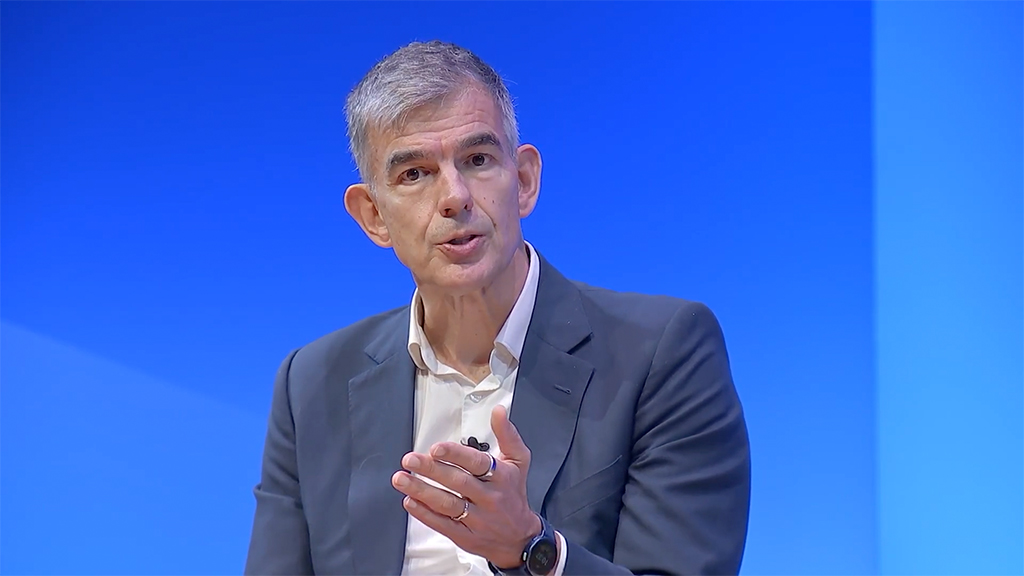
Dame Carolyn McCall, the chief executive of ITV, revealed that it had approached Comcast, which owns Sky, about a partnership. “Clearly, we had to be on their platform. We have a big contract with Sky and that led to us working on trying to bring our streaming businesses together, and we realised because of our different ownership structures, it was impossible.”
She said that was the genesis of the £1.6 billion deal that, subject to regulatory approval, will see Sky buy the broadcast and online business of ITV, leaving ITV Studios as a standalone company with a £2.1 billion contract to provide programming for Sky for five years. The aim is apparently to create a streaming platform for the British viewer.
Priya Dogra, the recently appointed chief executive of Channel 4, who was previously president and managing director at Warner Bros. Discovery for EMEA and headed mergers and acquisitions at Warner Media, said she did not believe in mergers. “One company is always buying another. It’s always a takeover.” She said that positioning the publicly owned Channel 4 for a takeover by the BBC is not on the cards, contrary to industry speculation. “I don’t want to merge with the BBC because it will be a takeover by the BBC.”
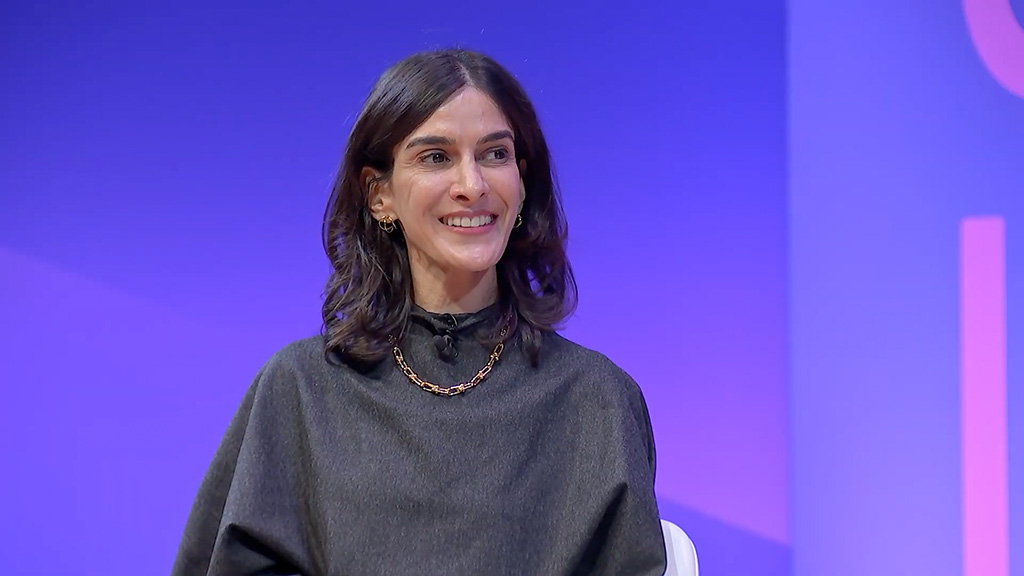
She did say that she would be open to a collaboration around iPlayer. Channel 4 already sells airtime for the commercial UKTV channels that are wholly owned by the BBC, and it carries some of their programming on the 4 online service. She was most recently responsible for advertising and new revenue at Sky.
“The idea of having a platform that’s British-owned, that showcases public service broadcasting content — particularly content that is made without a profit motive — is important, and we should be thinking of what makes sense for the audience and the British public.”
Reemah Sakaan, the president of 5, was previously chief executive of BritBox International, and before that director of media and marketing at ITV and previously head of marketing for BBC One. As part of Paramount, 5 is the smallest of the British public service media companies but will be a small part of a much larger Skydance operation.
“We’ve got a world-class streamer. We’ve got a world-class distribution company. 5 should be the doorway to scale from a regional producer all the way around the world,” she said.
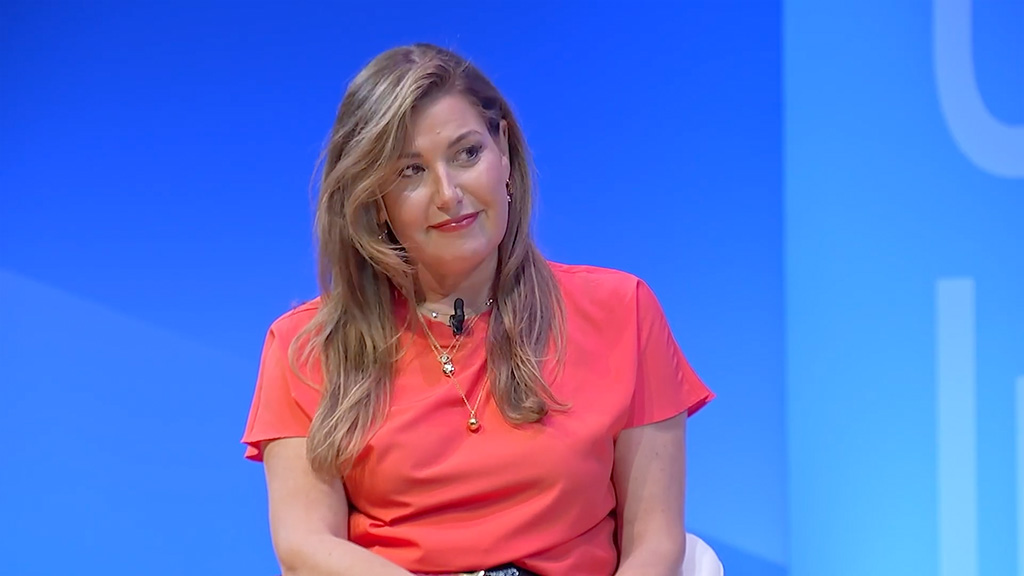
Recently Channel 4 announced a deal with 5 to bring together their advertising sales. She described it, perhaps unfortunately, as “cradle-to-grave” opportunity for advertisers.
She said it was unlikely that Channel 4 would join 5 within the Paramount family “but I’m not sure you need to own each other to work together effectively.” She said that she was aligned with the new chief executive of Channel 4 on the challenges they both face.
Freeview, Freesat, and BritBox were cited as examples of joint ventures where collaboration between the public service broadcasters has worked. Interestingly, there was no mention of Freely, the latest venture of Everyone TV, which is jointly owned by the public service broadcasters.
There is a lot of talk about collaboration, but it seems it may be time to pick your partner. ITV and Sky look like they might get it together. The BBC is making moves on Channel 4 which have so far been dismissed. Channel 5 is now part of a huge multinational media group, which might look like a more financially attractive option to Channel 4, especially since its chief executive was previously responsible for mergers and acquisitions at one of the companies it absorbed. Equally she could be looking to Sky.
That leaves the BBC unusually isolated. It has historically liked to call the shots when it comes to collaboration. Now it may be dealing with much bigger fish on the other side of the pond.