
Matt Brittin, a former Google Executive, is widely anticipated to be appointed as the Director General of the BBC. He is expected to succeed Tim Davie and will have to succeed where he did not, in securing the long-term future of the broadcaster. As it happens, the government is now indicating that it is minded to make the BBC Charter permanent.
The Cambridge graduate, now 57, who rowed three times in the Boat Race, and for Britain in the Olympics, gained an MBA from the London Business School and joined McKinsey as a consultant. He joined Google as director of sales for the United Kingdom in 2007 and became the managing director for Google UK in 2009. He became president of EMEA Business and Operations at Google in 2014, where he remained until the start of 2025. He was awarded a CBE in January 2026 for services to technology and the enhancement of digital skills.
Although that might seem like a safe appointment, many may be wondering why the BBC seems unable to recruit a woman to the top job, or someone who is not a graduate of Oxford or Cambridge.
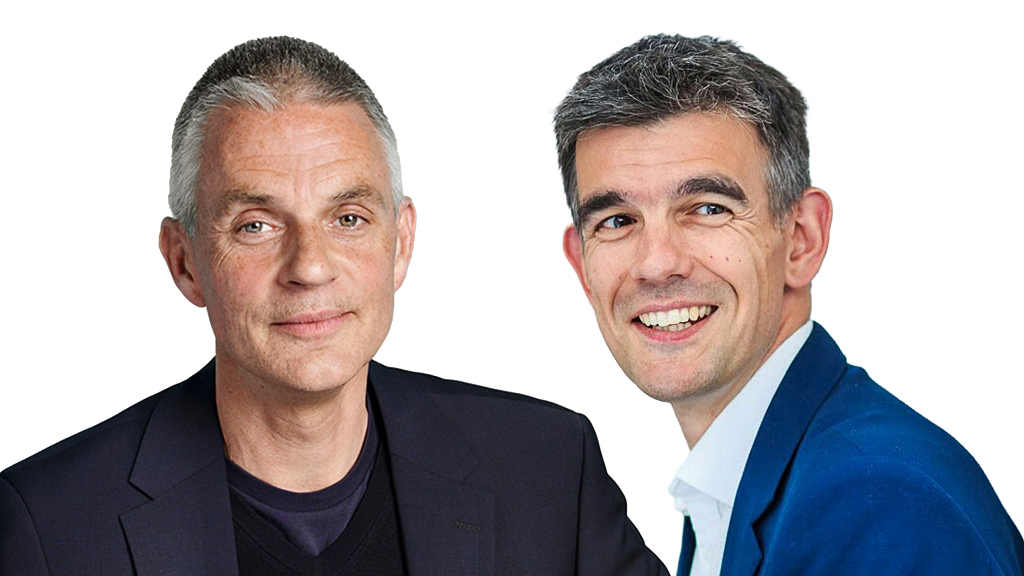
The director general is appointed by the BBC Board. The vacancy arose following the resignation of Tim Davie and the chief executive of BBC News after a misleading edit in a Panorama programme that has led to a multimillion lawsuit from the President of the United States, which is still unresolved.
With no previous experience in programme making, like his predecessor, the new director general will need to appoint a strong deputy and a director of news. It represents an opportunity for the corporation to reset its relationship with the government and the public.
Matt Brittin will join the BBC at a critical juncture, as the corporation negotiates with the government on the renewal of its Royal Charter and future funding.
Lisa Nandy, the culture secretary, has already indicated support for a permanent charter, rather than relying on a review every ten years.
Speaking at the Society of Editors conference in London, she said: “While the terms, the structures and the funding for the BBC will continue to be negotiated every several years, we should seek to end the bizarre situation where if the charter isn’t agreed in time, the BBC ceases to exist.”
“We will act to future-proof this vital institution in these stormy times when public debate feels more toxic and polarised than ever and too often the BBC becomes a lightning rod for the ongoing, exhausting culture wars.”
The former Google executive, who repeatedly defended its tax arrangements, will now have to argue for fair funding arrangements for the BBC.
The BBC recently announced what it called a landmark deal with YouTube, owned by Google, which will see the corporation make programmes for the online video platform.