
More than half of the top 100 creators on YouTube are now watched more on television screens than on any other type of device. YouTube is responding by giving creators what it calls the “prime time treatment”, introducing seasons and episodes for short-form series and adapting more of its service for television viewing. It is another indication that the world’s largest online video platform is increasingly becoming part of television itself.
The new features were announced at the annual Made on YouTube event. Among them ‘Shorts series’ allow creators to organise short-form videos into seasons and episodes, with custom thumbnails and sequential playback across mobile, web and television.
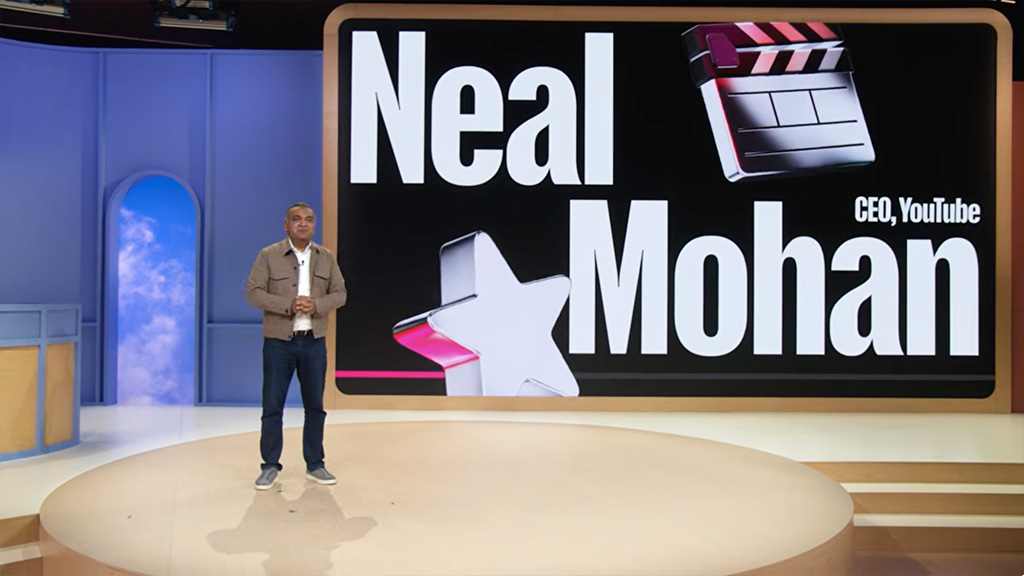
YouTube chief executive Neal Mohan said the company needed to “stay one step ahead of how the world watches”, pointing to its “early bet that people would want to watch YouTube on the biggest screen in their homes”. He describes television as its “fastest growing screen”.
The adoption of seasons and episodes is significant. These are conventions inherited from television, but YouTube creators are not constrained by traditional programme durations or schedules. An episode does not need to fill half an hour or an hour, while a series can still provide the structure and continuity that encourages an audience to return.
“Over half of YouTube’s top 100 creators have TV as their most watched interface, so we’re going to continue giving creators the prime time treatment as they experiment with different formats,” explained Kurt Wilms, senior director of product management for YouTube on TV.
That is particularly apparent in the rapid growth of microdramas. YouTube says they attracted more than 6.5 billion views in the first half of 2026, with viewing time increasing by more than 50% year on year.
Microdramas might seem an unlikely format for television, since they were developed primarily for mobile viewing and episodes can last little more than a minute. Yet YouTube says views of microdrama content on television screens increased by more than 90% over the same period.
It suggests that the boundaries between short-form online video and television viewing are becoming less distinct. Creators can adopt some of the organisational conventions of television without inheriting its historical constraints.
Independent audience research confirms the growing importance of the television screen to YouTube. Ofcom reports that average YouTube viewing on television sets in the United Kingdom has doubled since 2022, from nine minutes to 19 minutes per person per day in 2025. Across all devices in the home, YouTube viewing averaged 41 minutes a day.
YouTube has been adapting accordingly. It has previously introduced ways for creators to organise longer videos into collections designed for television viewing and has been promoting more ambitious Creator Shows. Now even Shorts can acquire the familiar architecture of seasons and episodes.
This is not simply YouTube attempting to recreate conventional television. It is selectively adopting features that television has developed over decades while retaining the flexibility of an online platform, where programmes can be almost any length and independent creators can publish without securing a place in a schedule.
For years, broadcasters have been asking how television programmes should adapt to YouTube. Increasingly they may need to consider the reverse question. As YouTube creators adopt the formats, production values and viewing environment of television, what exactly distinguishes a YouTube channel watched on a 65-inch screen from any other television service?