
Christmas Day television in the United Kingdom reached an all-time low in audience numbers in 2025. While traditionalists may tune in for the Christmas address by the monarch, the nation no longer assembles in front of the television to watch the same show at the same time on a day that historically delivered huge audiences. This year the decline was particularly marked.
The most watched programme was the address from The King, which was watched by an estimated 6.56 million people as it was shown simultaneously across the BBC, ITV, and Sky News.
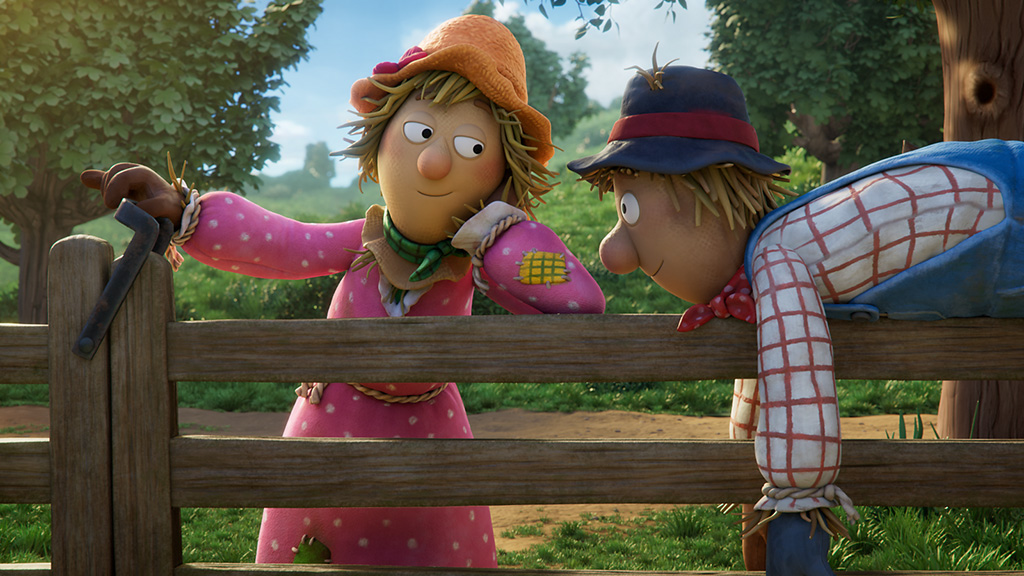
After that, The Scarecrows’ Wedding, an original animation, was the most viewed programme on the BBC, with an audience of 4.31 million.
That is a considerable decline from the top programme on Christmas Day 2024, the finale of Gavin & Stacey, which was watched by a total audience of 19.26 million. That is counted over a 28-day period and includes a large number that watched after the original broadcast. That does not include the repeat showing that the BBC served up in prime time on Christmas Eve the following year, just in case anyone had missed it or wanted to see it again.
That particular programme was something of an anomaly. The top show on the BBC the previous year had 7.66 million viewers.
It is likely that the latest Julia Donaldson animation will pick up more viewers over time through catchup viewing.
We have been charting the gradual decline in Christmas Day viewing for over a decade and the trend is consistently downwards with the occasional peak. It corresponds with the rise in online viewing, which means that families do not have to watch whatever is broadcast at the time.
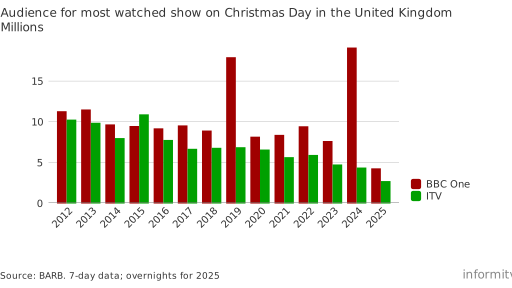
As audience numbers decline, broadcasters no longer expect huge numbers, so save their top programmes for when they are more likely to be watched. Notably, New Year’s Eve and New Year’s Day are now the top days for festive television fare.
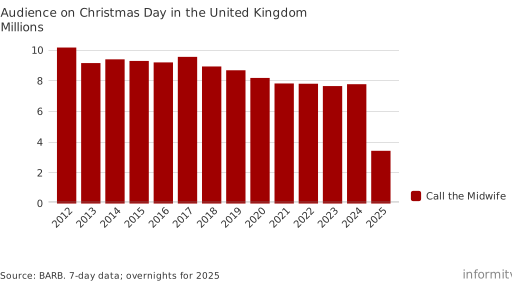
A clear measure of the declining Christmas Day audience is Call the Midwife, a period drama that used to attract top ratings. On Christmas Day 2025 it was the fifth most popular programme, with an audience of just 3.44 million on the day, compared to 8.91 million over 28 days the previous year. It has steadily declined from a peak of over 10 million.
ITV, the leading commercial broadcaster, had only one show in the top ten, with The 1% Club quiz scoring a miserable 2.75 million, just ahead of The Weakest Link on the BBC at 2.63 million in tenth place.
| Programme | Viewers m |
|
|---|---|---|
| 1 | The King | 4.6 |
| 2 | The Scarecrows’ Wedding | 4.3 |
| 3 | Strictly Come Dancing Christmas Special | 4.2 |
| 4 | Michael McIntyre’s The Wheel | 3.7 |
| 5 | Call the Midwife | 3.4 |
| 6 | Gladiators Christmas Special | 3.2 |
| 7 | Amandaland Christmas Special | 3.1 |
| 8 | EastEnders | 2.8 |
| 9 | The 1% Club | 2.7 |
| 10 | The Weakest Link | 2.6 |
The BBC said that its share of television viewing on Christmas Day was bigger than the whole of the online video subscription market combined and pointed out that it had “a winning formula once again securing nine out of the top ten most watched programmes across the day as audiences chose an outstanding range of drama, comedy, and entertainment.”
“We’re proud of the fact that people come together on the BBC at Christmas. Having nine out of the top ten shows on Christmas Day is a timely reminder that shared moments really do still matter even in a world of so much choice,” said Kate Phillips, the Chief Content Officer of the BBC.
The problem is that when the Strictly Come Dancing Christmas Special gets only 4.2 million viewers at tea-time on Christmas Day, the BBC can hardly claim that it is bringing together a nation of nearly 70 million people on the day they are most likely to be available to view.